Wondering if a small investment property in Zimmerman is a smart first step? You are not alone. Many first-time investors want a property that feels manageable, offers practical rental appeal, and sits in a community with room to grow. This guide will walk you through what to watch for in Zimmerman, what types of properties may fit a beginner, and which financing and local rule questions matter most before you buy. Let’s dive in.
Why Zimmerman stands out
Zimmerman offers a different investment profile than a dense urban market. According to U.S. Census QuickFacts for Zimmerman, the city had an estimated 2024 population of 6,772, an owner-occupied housing rate of 82.1%, a median owner-occupied home value of $323,600, and a median gross rent of $1,398.
Those numbers suggest a market where rentals are a smaller part of the housing mix, but still relevant. For a beginner, that can mean focusing less on high-volume turnover and more on finding a well-located property that appeals to renters looking for convenience, space, and predictable living costs.
Zimmerman also benefits from its location. The city notes that it sits at the intersection of Highway 169 and Sherburne County Road 4, and Sherburne County describes the area as part of a broader northern metro growth corridor. If you are buying your first rental, access like that matters because commute convenience often shapes demand in outer-ring communities.
What drives rental demand in Zimmerman
Commute access matters
One of the strongest demand drivers in Zimmerman is commute access. Census data shows a mean travel time to work of 34.5 minutes, and Sherburne County notes that many residents leave the county for employment. That points to a market where renters may value easy regional access more than walkability to a dense downtown core.
If you are comparing properties, pay close attention to routes in and out of town. A home with simple access to major roads may have a broader renter pool than one that feels less convenient for daily commuting.
Outdoor access adds appeal
Zimmerman also has a lifestyle advantage tied to outdoor recreation. The city describes itself as the gateway to the Sherburne National Wildlife Refuge, and the refuge offers trails, the Oak Savanna Learning Center, and the Prairie’s Edge Wildlife Drive with no admission charge.
Sherburne County’s Grams Park information adds more context around hiking, scenic views, wildlife viewing, and prairie restoration. For renters, these features can support demand from households looking for quiet surroundings and easy access to recreation.
Household needs may shape property size
Zimmerman is also a community with a notable share of younger residents. Census QuickFacts reports that 30.8% of residents are under 18. That does not guarantee rental demand for any one property type, but it does suggest that practical layouts and family-sized homes may matter in this market.
For you as an investor, that means bedroom count, storage, yard space, and everyday livability may carry more weight than trend-driven amenities. In a market like Zimmerman, function often wins.
Small investment properties to consider
Single-family homes
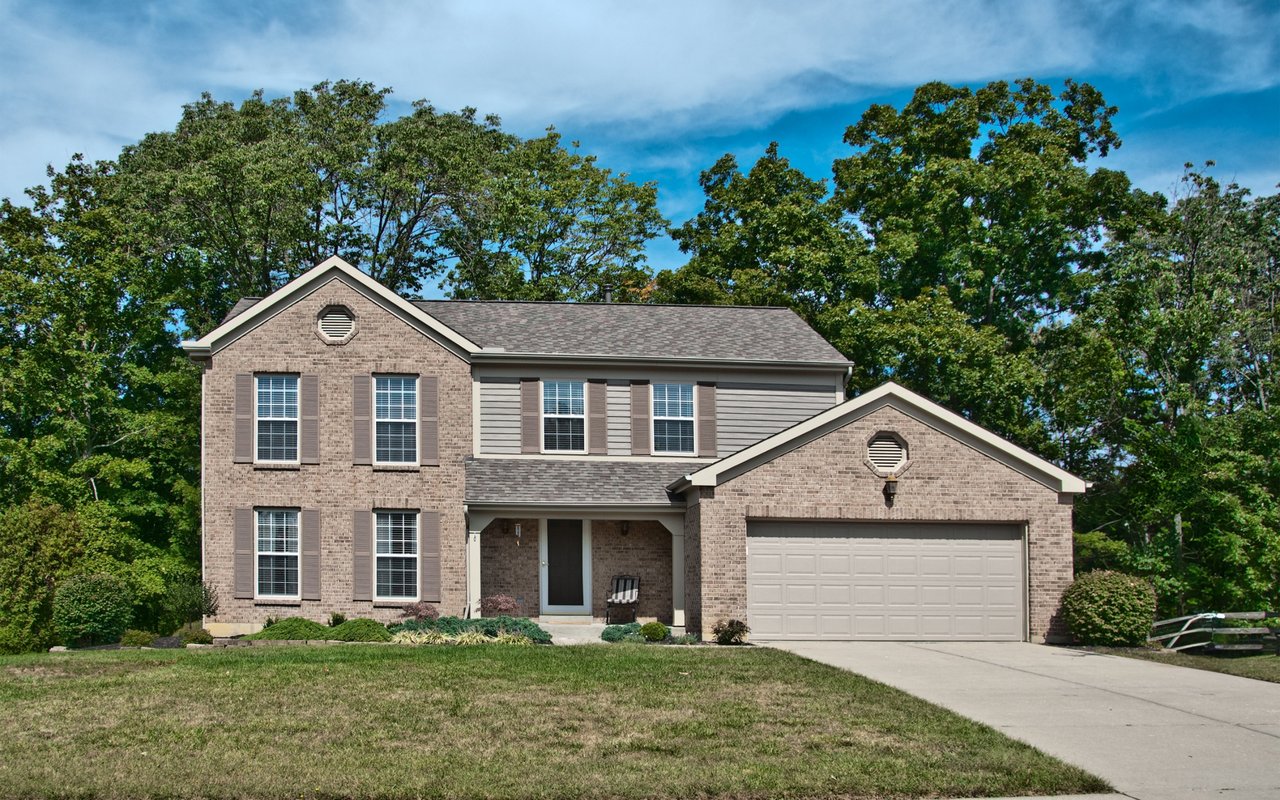
For many beginners, a single-family home is the most familiar starting point. It is often easier to understand, easier to maintain than a larger multi-unit building, and may attract renters looking for more privacy and outdoor space.
In Zimmerman, this property type may line up well with the area’s commuter-oriented and lower-density character. If your goal is a straightforward first investment, a well-kept single-family home can be a practical option.
Detached townhomes and low-maintenance options
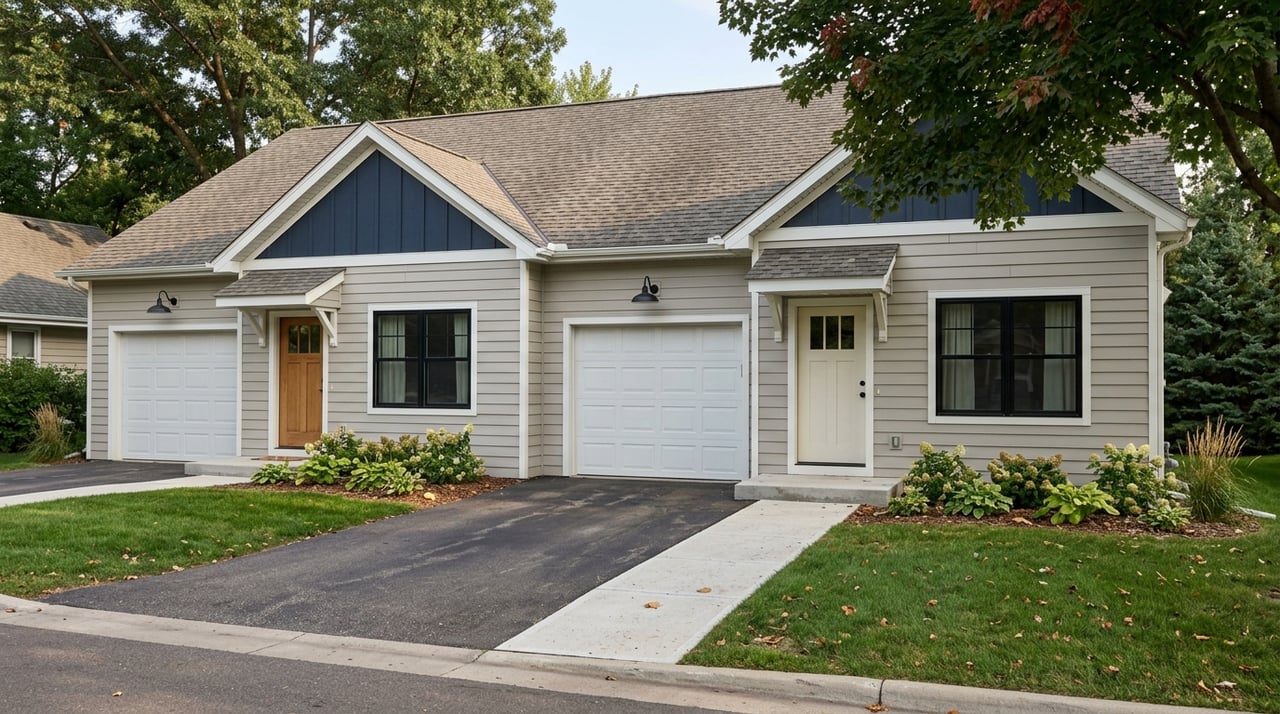
A recent local example shows that low-maintenance housing is also part of the Zimmerman picture. The city council minutes from July 7, 2025 describe The Homes at Fremont, a 212-unit planned development with villa-style detached townhomes and single-family homes on smaller lots, with HOA responsibility for lot, driveway, and exterior maintenance.
That does not mean every new or attached home is a good rental. It does show that beginners may come across homes in planned developments where maintenance duties and ownership rules look very different from a traditional standalone house.
Duplexes and small multi-unit properties
A duplex or other small multi-unit property can be appealing because it spreads income across more than one unit. But it also brings more financing complexity, and the rules can change based on whether you live in one unit or buy it strictly as an investment.
If you are considering this route, you will want to look carefully at loan structure, down payment, reserves, and expected operating costs before you assume it will outperform a one-unit property.
Financing basics for first-time investors
Expect a larger down payment
Investment property financing is usually stricter than financing for a primary residence. Freddie Mac’s conforming guidelines list a maximum loan-to-value ratio of 85% for a one-unit investment property and 75% for a two- to four-unit investment property on conforming purchase loans.
In plain terms, that usually means you should expect a bigger down payment than you might for an owner-occupied home. Before you shop, talk with a lender about what property type you want and whether you plan to occupy any part of it, because that distinction can change the financing path.
Reserves are a real part of the budget
The purchase price is only part of the story. Fannie Mae guidance on reserves says DU generally requires six months of reserves for an investment-property transaction, with added reserve requirements in some cases when a borrower has multiple financed properties.
That matters because many first-time investors focus heavily on the down payment and underestimate the cash they may need to keep after closing. Your lender will want to see that you can handle the property responsibly, not just buy it.
Rental income has documentation rules
Projected rent is not just a back-of-the-envelope number. Fannie Mae’s rental income guidance explains that rental income is acceptable only in certain setups and is subject to documentation requirements such as leases or tax returns.
That means you should not assume every lender will count income the way you expect. If you are buying a duplex, a one-unit investment property, or a property with an accessory unit, ask early how the lender will evaluate rental income for that exact scenario.
Budget beyond the mortgage
A beginner-friendly investment is usually one with fewer surprises. The Consumer Financial Protection Bureau notes that homeownership costs can include repairs, property taxes, insurance, HOA dues, utilities, and ongoing maintenance, and that closing costs often run 2% to 5% of the purchase price.
That is especially important in Zimmerman, where some properties may be in newer developments with association obligations, while others may be traditional homes with larger maintenance responsibilities. A lower monthly payment does not always mean lower total ownership cost.
A simple way to think about it is this: your investment should have room for the mortgage, taxes, insurance, maintenance, and a cash cushion. If the numbers only work on paper with perfect occupancy and no repairs, the deal may be too tight for a beginner.
Local rules to check before you buy
Confirm zoning and legal use
Before you buy any small investment property, confirm that the intended use is allowed. Zimmerman’s Planning Commission and planning resources cover items such as zoning, conditional use permits, variances, and subdivisions.
This step matters more than many first-time investors realize. Even if a property seems like an obvious rental candidate, you still want to verify that the current use, any changes to the property, and any future plans line up with local requirements.
Review permits and occupancy status
Zimmerman’s Building Department handles permits and certificates of occupancy within city limits. That means updates, conversions, additions, or accessory spaces should not be judged by appearance alone.
If a space looks rentable, that does not automatically mean it was approved or finished in a way that supports your plans. Ask questions early so you do not inherit a costly issue after closing.
Read HOA and covenant documents carefully
Planned developments can be attractive because they may reduce some maintenance tasks. They can also come with rules that affect leasing, exterior changes, parking, or property use.
The Fremont example is a good reminder that in Zimmerman, some small-lot or townhome-style communities may involve association control over maintenance. Before you buy, review all association documents and restrictive covenants with care.
Common beginner mistakes to avoid
Overestimating rent
It is easy to build a deal around best-case income. A smarter approach is to ground your estimate in documented local reality and talk with your lender about how rental income will actually be treated during underwriting.
A property can look strong in a spreadsheet and still be difficult to finance or operate if the income assumptions are too optimistic. Conservative math protects you.
Underbudgeting for repairs
Even low-maintenance homes need upkeep. If you use most of your cash for the down payment and closing costs, one repair can put pressure on the entire investment.
The CFPB’s budgeting guidance is helpful here because it frames homeownership as a full-cost decision, not just a monthly payment decision. Beginners do better when they plan for the unplanned.
Assuming all small rentals work the same way
A one-unit investment home, an owner-occupied duplex, and a detached townhome in an HOA can all look like small investment properties. In practice, they may differ a lot in financing, rules, maintenance, and cash flow.
That is why your first step should not be chasing the cheapest listing. It should be understanding which property type fits your budget, risk tolerance, and management style.
A smart first step in Zimmerman
For many first-time investors, the best Zimmerman opportunity is not the flashiest one. It is the property with clear legal use, practical commuter access, manageable maintenance, and numbers that still make sense after you account for reserves and ongoing costs.
If you want help comparing neighborhoods, property types, and local factors before you make a move, working with a local team can save you time and help you avoid expensive assumptions. When you are ready to explore small investment properties in Zimmerman, connect with Michelle Lundeen for thoughtful, local guidance.
FAQs
What makes Zimmerman attractive for a first investment property?
- Zimmerman offers regional commute access, a growing-area location, and lifestyle appeal tied to outdoor recreation, which can support demand for practical small rentals.
What types of small investment properties can you find in Zimmerman?
- You may find traditional single-family homes, detached townhome-style properties in planned developments, and some small multi-unit options, each with different maintenance and financing considerations.
How much down payment might a Zimmerman investment property require?
- Based on Freddie Mac conforming guidance, one-unit investment properties may allow up to 85% loan-to-value and two- to four-unit investment properties up to 75%, which generally means larger down payments than owner-occupied purchases.
What cash reserves should you keep after buying a Zimmerman rental property?
- You should plan for closing costs, repairs, ongoing ownership expenses, and any lender-required reserves, since Fannie Mae guidance indicates investment-property loans often require six months of reserves.
What local rules should you verify before buying a rental in Zimmerman?
- You should confirm zoning, permit history, certificates of occupancy, and any HOA or covenant restrictions through Zimmerman’s planning and building resources before assuming a property can be used as a rental.
Is a duplex in Zimmerman financed the same as a primary residence?
- Not always. Financing depends on whether you will occupy part of the property and on the loan program, so a borrower-occupied duplex is usually handled differently from a pure investment purchase.