Are you trying to stretch your first-home budget without giving up everyday convenience? Princeton offers small-town living, a local hospital, and more approachable prices than many Twin Cities suburbs. In this guide, you’ll see what homes typically cost, how the commute really feels, what daily life looks like, and the steps to buy in Minnesota. Let’s dive in.
Quick snapshot: prices and market context
Princeton’s owner-occupied median housing value sits around $218,700, based on recent American Community Survey estimates. That is lower than many closer-in suburbs and gives first-time buyers more room to get started. The city’s 2024 population estimate is about 5,329, which supports a small-town feel with essential services on hand. These figures help you set baseline expectations before you compare neighborhoods or individual homes. Census QuickFacts provides the latest city snapshot.
Recent market snapshots from industry sites show entry-level homes commonly landing in the roughly $200,000 to $350,000 range, with some lower and higher outliers. You may notice differences between median sale price, list price, and broader home-value indexes. That is normal because each data source measures something slightly different and updates on a different schedule. When you are serious about a home, rely on recent sold data from the local MLS to guide your offer.
What a starter home looks like in Princeton
- 2 to 3 bedrooms, often on modest lots.
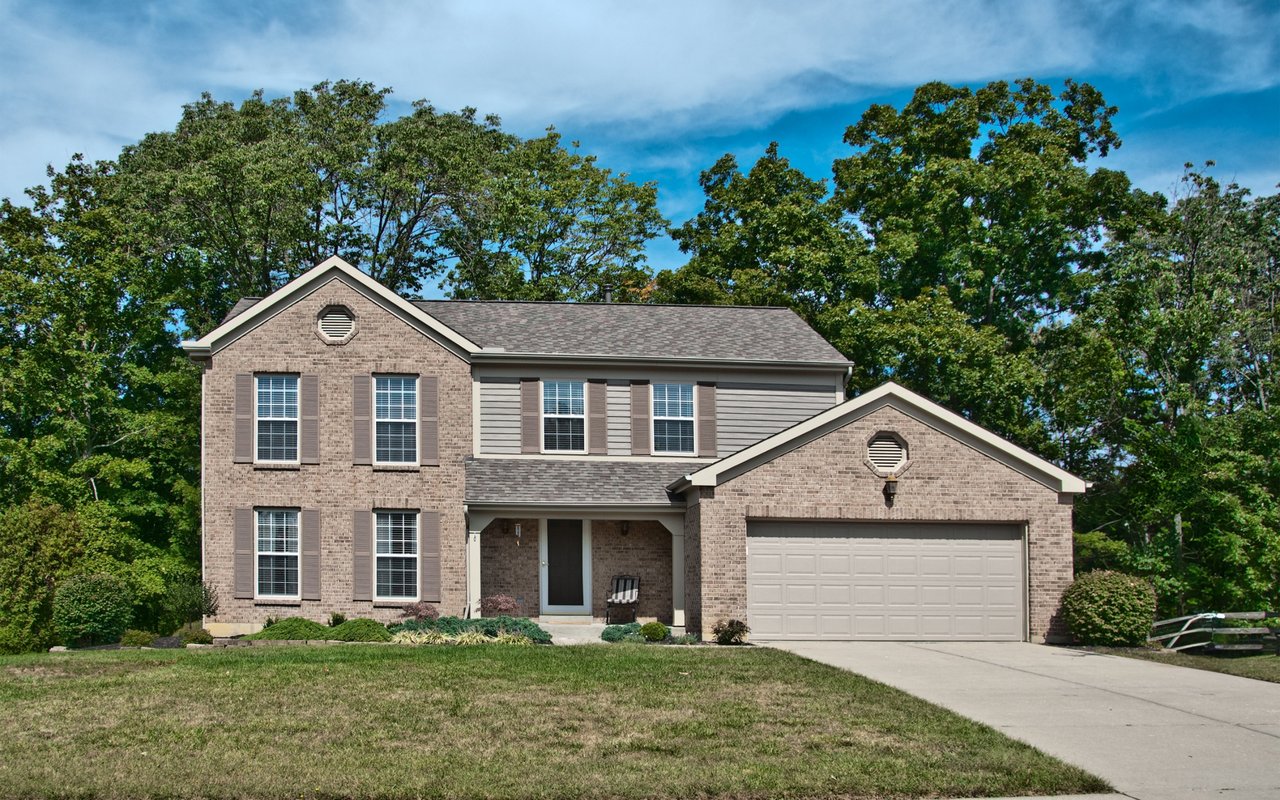
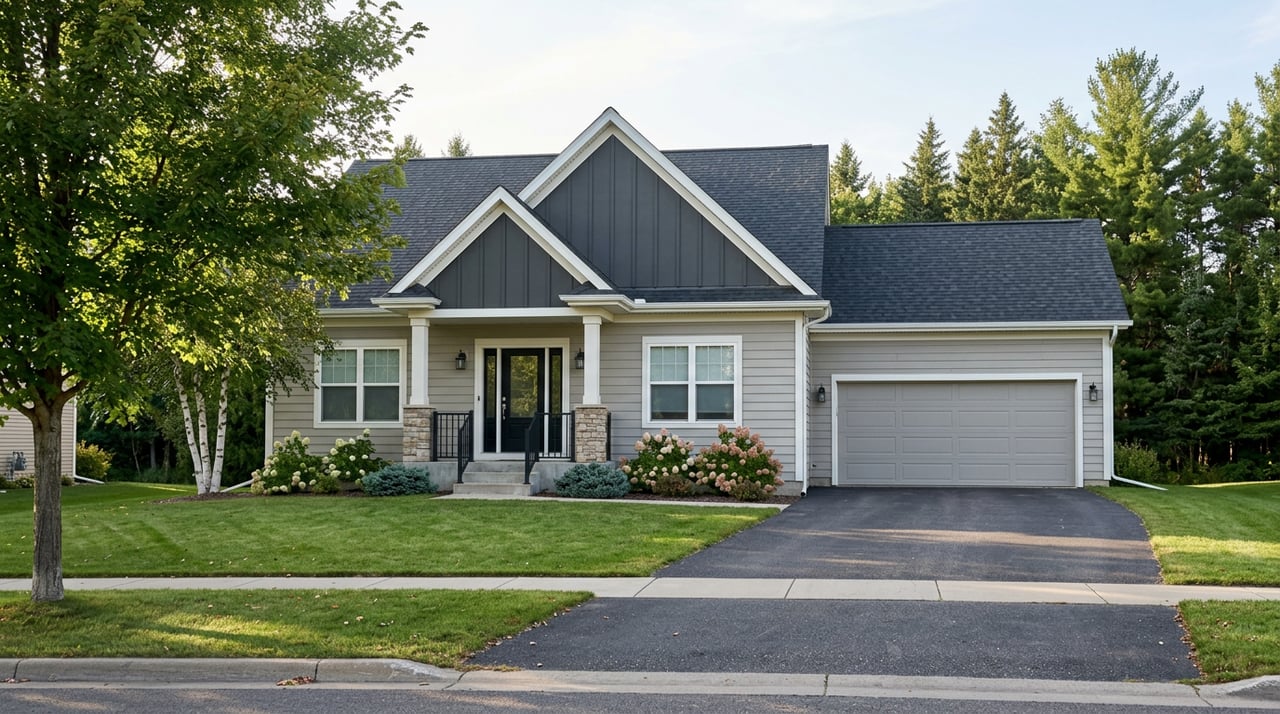
- Mix of older bungalows and 1–2 story single-family homes, plus some newer builds.
- Townhome and condo options exist but are more limited than in larger suburbs.
- In the wider area, you may also find manufactured homes and small acreage properties.
Commute and transportation: what to expect
Princeton sits about 50 miles north of Minneapolis, most commonly reached via US‑169 and other state highways. A typical non-stop drive to downtown Minneapolis runs about 50 to 60 minutes under normal conditions. Many residents work closer to home, which is reflected in the city’s mean travel time to work of about 25.8 minutes. You can review a quick overview of the city’s location and commute context on Wikipedia’s Princeton page and see the travel-time average in Census QuickFacts.
Public transit changes to know
Historically, some commuters used nearby park-and-ride options to connect with the Northstar corridor. At the start of 2026, Metro Transit transitioned Northstar commuter rail service and increased bus service along the corridor, which changed the frequency and nature of rail commuting north of Minneapolis. Fixed-route options from Princeton are more limited than inner-ring suburbs, so many first-time buyers plan on driving or a drive-plus-park-and-ride routine. You can check the agency’s update summary through the Metro Transit Northstar information archive.
Bottom line for first-time buyers: if you need a daily, reliable, short transit commute into downtown, a closer suburb may fit better. If you work hybrid or locally, the tradeoff of longer drives for lower housing costs can make good sense.
Everyday life: amenities that matter
Princeton covers daily needs well for a small city. You will find mainstream grocers, a Walmart Supercenter, hardware and services, plus a walkable downtown with local shops and restaurants. Families appreciate having a hospital and emergency department in town, with specialty care available in the metro. Learn more about local hospital access through M Health Fairview Northland Medical Center’s listing on Minnesota’s resource directory.
Outdoor time is easy to find. The city maintains multiple parks, trails, river access along the Rum River, and a splash park. You can browse park details and the parks master plan on the City of Princeton website.
For schools, Princeton Public Schools (ISD 477) serves local students and has seen enrollment growth in recent years. The district operates several elementary schools and a large high school complex. Always verify current boundary maps and enrollment guidance with the district when a specific address is in play. For a neutral overview, see the NCES profile for Princeton Public Schools.
How prices compare with closer suburbs
Price is where Princeton often shines for first-time buyers. Recent data snapshots show Princeton’s median sale prices in the low to mid $200,000s, while broader indexes that track typical values often come in higher. By contrast, recent snapshots for closer-in communities trend higher, with places like Elk River around the upper $300,000s and Maple Grove and Blaine often in the $400,000-plus range, depending on neighborhood and timing.
The tradeoff is straightforward. You gain lower entry prices and a quieter, small-town setting. You give up shorter commutes, frequent transit, and the sheer density of restaurants and retail that you see in inner suburbs. If your budget is tight and your commute is flexible, Princeton is worth a close look.
Pros and cons for first-time buyers
Pros
- More approachable entry-level prices compared with many Twin Cities suburbs, supported by a lower long-run owner-occupied median value. Review the baseline on Census QuickFacts.
- Core amenities in town, including a local hospital, parks and trails, and growing school facilities. See hospital access via Minnesota’s resource directory and parks on the city site.
Cons
- Longer drives to Minneapolis and fewer fixed-route transit options. The Northstar corridor changes in early 2026 shifted rail frequency and expanded bus service. Check details through the Metro Transit archive.
- Market metrics vary by source and month. Use a fresh set of MLS sold comparables when you write offers so you do not overpay or miss a fast-moving starter home.
How to buy in Minnesota: step by step
Get pre-approved and set your budget. A strong pre-approval makes your offer more competitive and clarifies your price range. If you want down payment assistance, work with a Minnesota Housing participating lender and complete required education where applicable. You can search approved lenders through Minnesota Housing.
Partner with a buyer’s agent you trust. Your agent will track new listings, analyze comparable sales, and write your offer. In Minnesota, sellers must provide a written disclosure of material facts, and licensees must disclose what they know. You can read the disclosure statute at Minnesota Statutes 513.55.
Write a smart offer and include key protections. Earnest money, inspection, and financing contingencies are common. In a competitive moment, your agent will help you balance protections with the strength of your terms.
Complete inspections and appraisal. An inspection can surface repairs or updates, which are common in older starter homes. Your lender will order an appraisal to confirm value for financing.
Prepare for closing costs. Buyers typically pay lender fees, title and escrow, and prepaids like taxes and insurance. Minnesota also has a mortgage registry tax that applies when your mortgage is recorded, and the state deed tax is typically paid by the seller by convention. Your Loan Estimate and Closing Disclosure outline the exact figures for your transaction. You can learn more about the state’s transfer and mortgage taxes at the Minnesota Department of Revenue.
Post-closing housekeeping. File for homestead status with the county assessor when eligible, set up utilities, and confirm your property tax payment method or escrow. Your agent and lender can help you track these steps and deadlines.
Minnesota programs that can help first-time buyers
- Minnesota Housing Start Up and Step Up programs, including deferred or monthly payment down payment loans, can reduce upfront cash needs. Many programs pair with FHA, VA, USDA, or conventional loans, subject to rules. Confirm current income and price limits and use a participating lender. Explore options and find lenders through Minnesota Housing.
Smart next steps if you are considering Princeton
- Price-check with local MLS data. Ask your agent for the last six months of sold comps for your target areas in and around Princeton.
- Test the commute. Drive your route during your actual work hours and review the latest Northstar corridor updates via the Metro Transit information archive.
- Get pre-approved and learn about assistance. Talk with a Minnesota Housing participating lender about down payment help and eligibility.
- Budget for updates. Many starter homes are older, so set aside funds for basic repairs or efficiency upgrades after closing.
If Princeton’s mix of price, commute, and small-town amenities fits your goals, you do not have to navigate the process alone. Connect with Michelle Lundeen for local guidance, clear next steps, and a buying plan that fits your budget and timeline.
FAQs
What are typical first-home prices in Princeton, MN?
- Recent snapshots show many entry-level homes in the roughly $200,000 to $350,000 range, with Princeton’s owner-occupied median value near $218,700 as a long-run baseline from Census QuickFacts.
How long is the commute from Princeton to Minneapolis?
- Princeton is about 50 miles north of Minneapolis and the non-stop drive commonly runs 50 to 60 minutes in typical conditions, based on Wikipedia’s city overview.
What public transit options exist after the Northstar change?
- Metro Transit transitioned Northstar service at the start of 2026 and increased bus service along the corridor, so rail frequency changed. Fixed-route options from Princeton are more limited than inner suburbs. See the Metro Transit information archive.
Which school district serves Princeton and what should buyers check?
- Princeton Public Schools (ISD 477) serves the area. Verify current attendance boundaries and enrollment details with the district for any specific address. For a neutral overview, see the NCES district profile.
Are there Minnesota down payment assistance programs for first-time buyers?
- Yes. Minnesota Housing’s Start Up and Step Up programs offer down payment and closing cost loans through approved lenders and often require homebuyer education. Learn more and find lenders at Minnesota Housing.
Is there a hospital in Princeton for everyday and urgent care needs?
- Yes. The community is served by M Health Fairview Northland Medical Center for hospital and emergency department care. You can view details through Minnesota’s resource directory.