If your current home feels like more work than comfort, you may be wondering whether it is time to simplify. Downsizing is not just about square footage. It is about choosing a home and community that better fit the way you want to live now. If Braham is on your radar, this guide will help you weigh the practical pros, the possible tradeoffs, and what to consider before making a move. Let’s dive in.
Why Braham Appeals to Downsizers
Braham offers a small-town setting about 50 miles north of the Twin Cities metro, with access to Highway 107, Highway 65, and Interstate 35. For many downsizers, that kind of location can feel like a good middle ground. You can enjoy a quieter pace while still staying connected to the broader region.
The city describes itself as a community with local businesses, service organizations, churches, and an active downtown feel. Community features like Pie Day, downtown hanging baskets, several parks, and a trail system add to that sense of everyday connection. If you want a place that feels lived-in and local, Braham may check that box.
What the Housing Market Looks Like
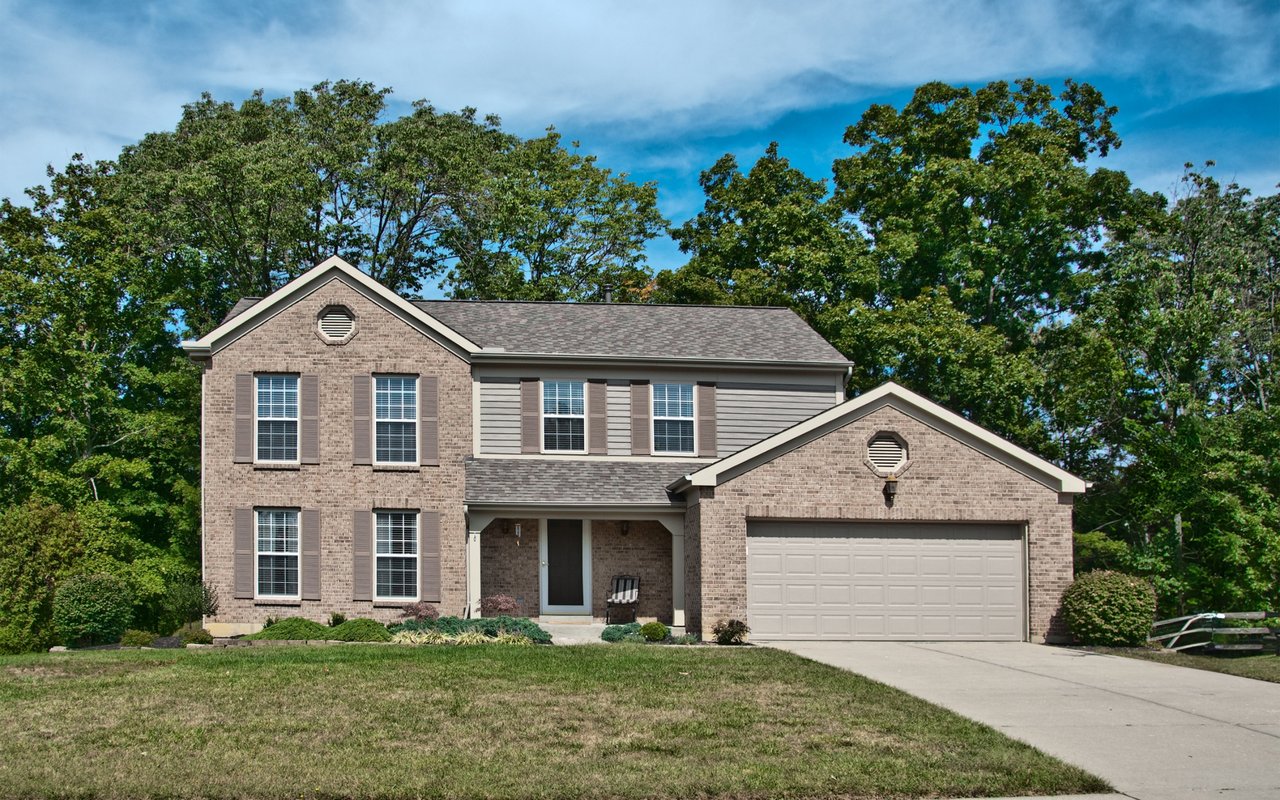
If you are thinking about downsizing in Braham, the housing mix matters. City planning materials estimated 729 housing units in 2022. Most of those were single-family detached homes, which made up 62.1% of the housing stock.
That same plan showed a smaller share of attached and multi-unit housing. About 6.9% of homes were single-family attached, 4.3% were duplexes, 21.1% were in buildings with three or more units, and 5.6% were mobile homes. In simple terms, Braham offers some lower-maintenance options, but detached homes still dominate the market.
The city also estimated a 2023 median home value of $158,559. That lower price point may appeal to buyers who want to reduce housing costs or free up equity from a larger home. For some homeowners, that can make downsizing feel more financially realistic.
Older Homes Are Part of the Picture
One of the biggest things to understand about Braham is the age of its housing stock. More than 56% of homes were built before 1979, according to the city’s comprehensive plan. That does not automatically mean a home is a poor fit, but it does mean condition and layout deserve close attention.
For downsizers, size alone is not enough. A smaller house with steep stairs, narrow doorways, or deferred maintenance may not make daily life easier. In Braham, the right move may come down to finding a home that offers the right combination of manageable space, practical layout, and acceptable update needs.
Senior Housing and Lower-Maintenance Options
Braham does have at least one local older-adult housing option. The Minnesota Aging and Disability Resources directory lists Elmhurst Commons in Braham as an independent living community with one- and two-bedroom units. That gives local downsizers at least one option to explore if they want a simpler housing setup without leaving town.
More broadly, Minnesota resources for older adults describe several housing categories, including accessible housing, adult foster care, assisted living, and board-and-lodging settings. The level of support can vary widely depending on the property. In assisted living, for example, services may include meals, housekeeping, transportation, and 24/7 staff.
If you are not sure whether you want a smaller house, an apartment-style setup, or a community with support services, it helps to compare your current needs with what you may want a few years from now. Downsizing works best when it supports both your present lifestyle and your future comfort.
Everyday Life in Braham
A downsizing move is not only about the home. It is also about what daily life feels like once you get there. Braham has a population of about 1,800 and offers several parks, playgrounds, picnic areas, a skate park, and a trail system.
The city profile also highlights the Braham Event Center, which houses the city library and food pantry. Taken together, these details suggest a small community with useful local services and shared gathering spaces. For many people, that kind of civic life matters just as much as the home itself.
Braham is also near the corners of four counties, which can make regional access feel broader than the city’s size alone might suggest. If your goal is to live in a smaller town without feeling cut off, that may be a meaningful advantage.
Health Care and Transportation Matter
When you downsize, convenience often becomes more important than extra rooms. Access to care is part of that equation. Welia Health says Braham residents can use its clinic network and hospital services in Mora, including urgent care, family medicine, emergency room services, lab and imaging, rehabilitation, and visiting specialists.
Transportation can also shape how independent and comfortable a move feels over time. Kanabec County Timber Trails Public Transit serves the county and offers public transit and medical transportation. The service states that part of its goal is to help people remain independent in their own homes.
Those details may give Braham added appeal for people who want a community that supports aging in place, even if they are not looking for care services right now. It is often wise to think a few steps ahead before making a move.
How Kanabec County Supports the Bigger Picture
County-level data can offer another clue about fit. In Kanabec County, 23.1% of residents are age 65 or older, according to the latest QuickFacts. That does not define any one city, but it does suggest a meaningful older-adult presence in the wider area.
The same data shows 84.5% of housing units are owner-occupied, and 91.7% of people lived in the same house one year earlier. That points to a relatively stable, owner-heavy area. If you value consistency and long-term residency patterns, that broader context may feel reassuring.
Is Braham the Right Fit for You?
Braham may be a strong match if you want a quieter setting, a lower home price point, and access to basic community amenities. It may also appeal if you are looking for a town with some local senior-housing choice and regional access to health care and transportation.
At the same time, Braham may require flexibility. Because the housing stock leans older and detached, you may need to look carefully at condition, accessibility, and maintenance needs. If you are hoping for many newer, turnkey downsizing options, your choices may be more limited.
A good question to ask is this: Will your next home be easier to live in, not just smaller to own? That shift in thinking can make the decision much clearer.
Questions To Ask Before You Downsize
Before you decide whether Braham is the right place to downsize, think through a few practical questions:
- Do you want a detached home, or would a more maintenance-friendly setup fit better?
- Are you comfortable buying an older home that may need updates?
- Do you need one-level living or fewer stairs?
- How important is nearby transportation for appointments and errands?
- Would independent living or another senior-housing option better match your next stage of life?
- Do you want to stay close to local events, parks, and civic spaces?
These answers can help you focus on the kind of property that truly supports your goals.
If You Need To Sell Before You Move
For many downsizers, the next move starts with selling the current home. In Minnesota, homestead classification is based on primary residence use and is handled by counties. The Minnesota Department of Revenue says homeowners should apply by December 31 for taxes payable the next year and notify the assessor within 30 days if they move or sell.
Minnesota also offers certain property tax relief programs, including a Senior Citizens’ Property Tax Deferral Program and possible homestead credit refunds, depending on eligibility. Because rules can change, it is smart to check with your county assessor or a tax professional before making decisions based on expected savings.
If you are selling an older, larger home, preparation matters. Since Braham’s planning documents note that many older homes may need updating to meet buyer expectations, sellers should pay attention to deferred maintenance, cosmetic condition, and overall presentation before listing.
Downsizing Is Personal and Practical
The best downsizing move is the one that makes everyday life easier, more comfortable, and more sustainable. In Braham, that could mean finding a modest home near local amenities, exploring independent living, or choosing a property that lets you stay connected without the workload of a larger house.
If you are weighing whether to stay put, make changes to your current home, or move into something smaller, it helps to talk through the options with someone who understands the local market. If you want thoughtful guidance on selling, buying, or planning your next move, connect with Michelle Lundeen for a conversation centered on your goals.
FAQs
Is Braham, Minnesota a good place to downsize?
- Braham may be a good fit if you want small-town living, a lower home price point, access to parks and local services, and regional connections to health care and transportation.
What types of homes are available for downsizers in Braham?
- Braham has a mix of housing, but most homes are single-family detached. There are also some attached homes, duplexes, multi-unit properties, mobile homes, and at least one local independent living option for older adults.
Are most homes in Braham older homes?
- Yes. According to the city’s comprehensive plan, more than 56% of homes in Braham were built before 1979, so buyers should pay close attention to condition, layout, and update needs.
Does Braham have senior living options?
- Yes. The Minnesota Aging and Disability Resources directory lists Elmhurst Commons in Braham as an independent living community with one- and two-bedroom units.
What should homeowners in Minnesota know before selling to downsize?
- Minnesota homeowners should review homestead status, understand possible property tax relief programs, and notify the assessor after a move or sale if required. It is also wise to speak with a tax professional about your situation before making plans.
How do you know if downsizing is the right move for your next stage of life?
- Downsizing may make sense if your current home feels too costly, too much to maintain, or less practical for your mobility, budget, or daily routine. The key is choosing a home that is easier to live in, not just smaller.