Wondering if a hobby farm near Stanchfield sounds peaceful in theory but feels a little harder to picture in real life? You are not alone. For many buyers, the idea of open space, outbuildings, gardens, and a few animals is exciting, but rural property also comes with daily responsibilities and local rules that matter. This guide will help you weigh the lifestyle, property requirements, and practical tradeoffs so you can decide if a hobby farm near Stanchfield fits your goals. Let’s dive in.
What a hobby farm means near Stanchfield
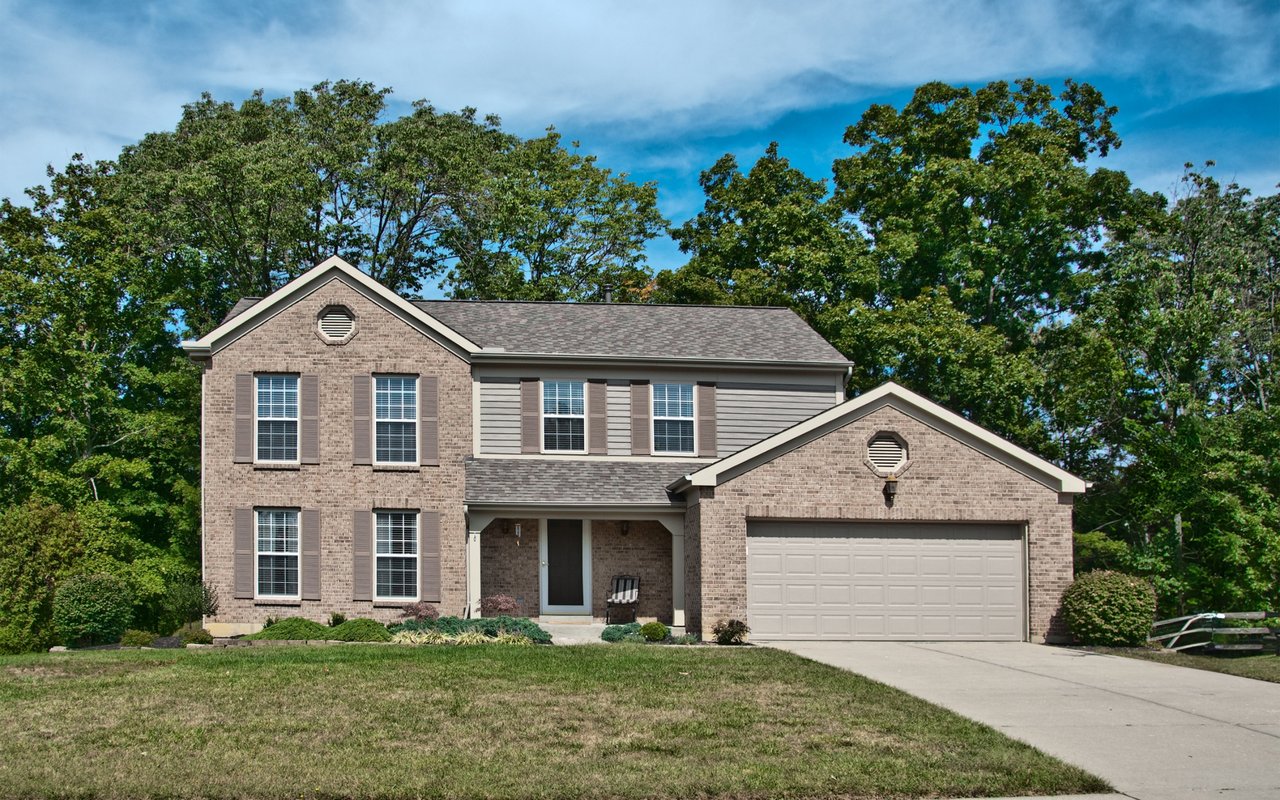
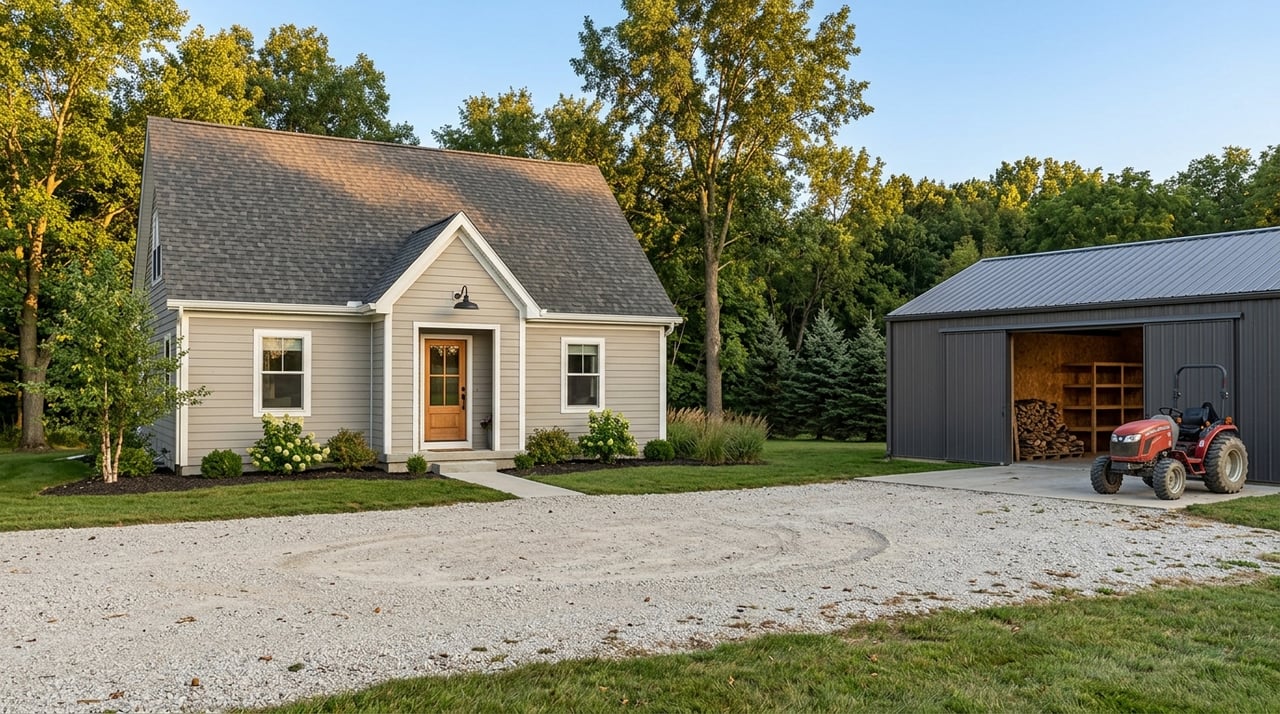
Near Stanchfield, a hobby farm is usually more than a house with a big yard. In practical terms, it is often a rural residential property with space for animals, gardens, storage buildings, and hands-on outdoor living.
That local definition lines up with how Isanti County treats agricultural land. In the county’s A/R Agriculture/Residential district, permitted uses include agriculture, farm buildings, one farm dwelling, livestock, crops, bees, and fruit production. The district is intended to keep suitable land in agricultural use and reduce scattered non-farm development.
Stanchfield also has a rural setting that affects day-to-day ownership. Stanchfield Township handles roads, ditches, rights-of-way, bridges, and fire protection, which means your experience as an owner is shaped by township-level services as much as the home itself.
Why buyers are drawn to hobby farms
For the right buyer, a hobby farm offers something hard to find in town. You may want more privacy, room for projects, a larger garden, or a property where animals and outbuildings are part of daily life.
Some buyers are looking for a slower pace and more connection to the land. Others simply want flexibility, whether that means space for equipment, a workshop, pasture, or future plans that need more elbow room than a typical residential lot can offer.
A hobby farm can also be appealing if you want a home that supports your lifestyle, not just your square footage needs. That said, the more flexibility a rural property gives you, the more planning and upkeep it usually requires.
The day-to-day reality of hobby farm living
This is the part that matters most. A hobby farm is not just about owning acreage. It is about managing an active property on a regular basis.
University of Minnesota Extension treats small farms as one- to 40-acre operations and teaches them as systems that involve goal setting, mapping, soils, crops, livestock, equipment, finances, animal care, manure management, pasture management, zoning, and costs. That gives you a good picture of what ownership can really involve.
If you plan to keep animals, daily care is not optional. Extension guidance emphasizes water, shelter, cleanliness, and low-stress handling, and it notes that animals need water available at all times.
That means you should ask yourself some honest questions before you buy:
- Who will feed and water animals every day?
- Who will clean, bed, and monitor them?
- Who will maintain fencing and shelters?
- Who will handle chores during vacations, bad weather, or busy workweeks?
If those tasks sound manageable and worthwhile, a hobby farm may be a strong fit. If they sound draining before you even move in, it may be worth looking at a simpler acreage property instead.
Rural home systems you need to understand
A hobby farm near Stanchfield often includes systems that many in-town buyers have never managed before. The biggest ones are usually the well, septic system, driveway access, and winter conditions.
Private well responsibilities
If the home has a private well, you are responsible for water testing and recordkeeping. The Minnesota Department of Health recommends annual testing for nitrate and coliform bacteria, plus at least one test for arsenic, lead, and manganese.
That means well ownership is not passive. Before you buy, you should ask for available water test results and well records so you understand the system you are taking over.
Septic system upkeep
Septic maintenance is another major part of rural ownership. The Minnesota Pollution Control Agency says septic systems need regular inspection and pumping, and local ordinances can be stricter than state minimums.
University of Minnesota guidance notes that Minnesota codes call for septic tanks to be evaluated at least every three years and pumped if needed. You will also want to know the installation date, inspection history, and whether compliance paperwork is available.
Winter and access issues
Winter changes how rural property feels and functions. Stanchfield Township’s snow-plow policy says plowing usually begins after about three inches of snowfall or when icy conditions seriously affect travel.
That may not sound dramatic, but it matters when you are evaluating a long driveway, a shared access point, or your comfort with winter travel. Rural buyers should think beyond the home and picture the property in January, not just in July.
Zoning questions to ask before you buy
If you are seriously considering a hobby farm near Stanchfield, zoning should be one of your first due-diligence steps. Do not assume that because a property looks rural, it automatically fits everything you want to do there.
Start by confirming the parcel’s zoning district with Isanti County. In the A/R district, agriculture and livestock are permitted, but the county ordinance also includes setback rules, buildable-area minimums, and sewage treatment site requirements.
For example, the A/R district uses front-yard setbacks of 130 feet from highways and county roads and 120 feet from township roads, along with 15-foot side yards and 50-foot rear yards. If a lot borders agriculturally zoned land, side-yard requirements can be larger.
The ordinance also requires a one-acre buildable area for permitted or conditional uses and enough room for two drainfield sites when on-site sewage treatment is used. That is important if you are thinking about adding structures or making changes later.
Uses that may need extra review
Not every rural use is treated the same. Isanti County’s ordinance shows that some larger or more intensive uses can trigger extra review, inspections, acreage minimums, setback requirements, or waste-management conditions.
That is especially important if your plans go beyond a few animals and a garden. If you are considering larger livestock setups, manure storage, kennels, retreat-style uses, or saddle club facilities, ask early whether a conditional or interim use permit may be needed.
Driveway and road access questions
Access can be easy to overlook until it becomes a problem. Stanchfield Township has a driveway permit process and requires preliminary approval if a plat includes driveways that exit onto a town road.
The township also maintains rules for shared driveways, road hauling, and snow plowing. If a property’s layout depends on a certain driveway location or shared access arrangement, make sure those details are reviewed early.
Overlay districts and permits
You should also ask whether the parcel falls within a shoreland, wetland, floodplain, or other overlay district. Isanti County has separate shoreland standards, and permits are required before erecting, adding to, altering, or changing the use of buildings or land.
That may affect where you can build, what you can expand, and how you use certain parts of the property. A beautiful parcel is only a great fit if it also works with your intended use.
Financing a hobby farm can be different
Financing is one of the biggest reasons buyers should define the property carefully from the start. A residential acreage with a home and a few outbuildings may be much easier to finance than a property that is clearly agricultural in nature.
For conventional lending, property classification matters. Fannie Mae says it does not purchase mortgages secured by agricultural properties such as farms or ranches, and eligible properties must be residential in nature, legally usable, accessible by roads that meet local standards, served by utilities that meet community standards, and suitable for year-round use.
That creates a practical dividing line. If the property functions mainly as a residence, financing may be more straightforward than it would be for a parcel that operates more like a true farm.
USDA financing may also be relevant in some cases. USDA’s Section 502 Guaranteed Loan Program is designed for low- and moderate-income borrowers buying a primary residence in an eligible rural area, and USDA says there are no set acreage limits, but the property cannot be income-producing.
Because USDA eligibility is address-specific, you should verify the actual parcel rather than assume all Stanchfield-area properties qualify. That small step can save time and help you focus your search.
Property taxes can affect the numbers
Taxes are another piece of the decision that deserves attention early. Minnesota’s homestead classification can qualify a property for a market-value exclusion and other benefits, and qualifying property can include gardens, garages, and outbuildings.
If land is actually in agricultural production, Green Acres or Rural Preserve may offer tax relief. These programs apply only to qualifying property and are administered by the county assessor.
There is an important catch, though. Deferred taxes can become due if the parcel is sold or no longer qualifies. That is why it is smart to ask the assessor how the property is currently classified and whether any deferred amounts could matter to you.
Signs a hobby farm may be right for you
A hobby farm near Stanchfield may be a good fit if you are excited by both the lifestyle and the work behind it. The strongest matches are usually buyers who want space badly enough to take on the systems, maintenance, and planning that come with rural ownership.
You may be a good fit if:
- You want room for animals, gardens, or outbuildings
- You are comfortable with private well and septic upkeep
- You expect more hands-on maintenance than in town
- You are willing to verify zoning, access, and permit requirements
- You want a rural setting and understand the tradeoffs
In other words, this choice works best when your expectations match the property’s reality.
Signs you may want a simpler acreage
Sometimes buyers love the idea of a hobby farm more than the daily routine. There is nothing wrong with that.
You may be happier with a standard residential acreage if you want open space and privacy but do not want livestock chores, detailed zoning questions, or regular attention to fences, water systems, and property infrastructure. A simpler setup can still give you a rural feel without asking for the same level of involvement.
How to shop smarter in Stanchfield
If you are exploring hobby farms near Stanchfield, go into each showing with a checklist mindset. Beauty matters, but function matters more.
Ask about:
- The current zoning district
- Allowed uses on the parcel
- Permit history for buildings and additions
- Well records and water test results
- Septic installation, inspection, and pumping history
- Driveway permits and road access details
- Property tax classification
- Any shoreland, wetland, or floodplain limits
Those questions can help you avoid surprises and compare properties more clearly. They also make it easier to spot the difference between a property that looks charming and one that truly supports your goals.
A hobby farm near Stanchfield can be a wonderful fit if you want rural space, practical freedom, and a more hands-on way of living. The key is making sure you are not just buying the dream, but also choosing the upkeep, systems, and local rules that come with it.
If you are weighing acreage options in Isanti County and want a local perspective on what to look for, Michelle Lundeen can help you sort through the details and find a property that fits the way you actually want to live.
FAQs
What is a hobby farm near Stanchfield, Minnesota?
- A hobby farm near Stanchfield is usually a rural residential property with room for animals, gardens, and outbuildings, often in areas where Isanti County agricultural and residential zoning allows those uses.
Can you keep animals on a hobby farm in Isanti County?
- In Isanti County’s A/R district, agriculture and livestock uses are permitted, but larger or more intensive animal setups may require additional review, setbacks, or permits.
Can you finance a hobby farm near Stanchfield with a normal mortgage?
- Sometimes, yes. Financing often depends on whether the property is residential in nature or classified more like an agricultural property.
What should you check before buying a hobby farm in Stanchfield Township?
- You should check zoning, allowed uses, setbacks, well records, septic records, driveway access, road rules, and property tax classification before moving forward.
Do hobby farms near Stanchfield usually have wells and septic systems?
- Many rural properties do, which means you may be responsible for water testing, septic inspections, pumping, and ongoing system care.
Is a hobby farm more work than living in town?
- Yes. A hobby farm usually requires more hands-on maintenance, and that can include animal care, driveway upkeep, snow access, septic management, and private well testing.