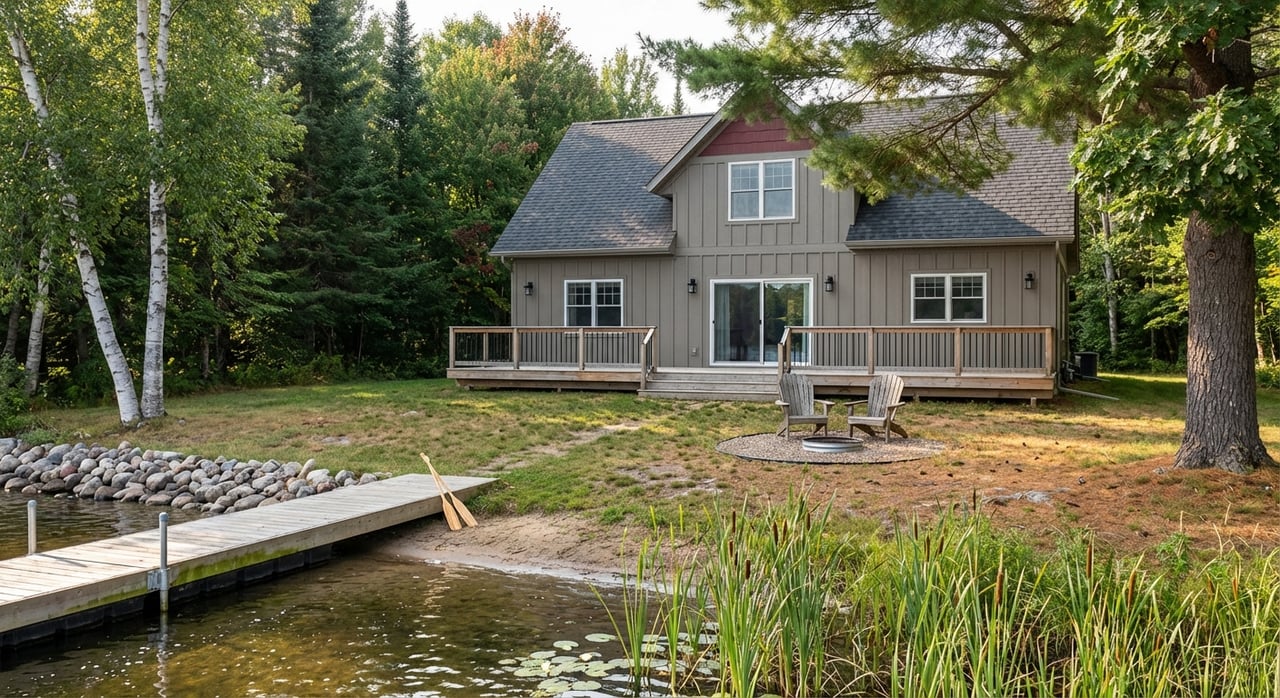
Picture a glass-calm morning on Knife Lake, coffee in hand, and your boat tied to the dock. If you’re thinking about making that scene yours near Mora, it helps to know that lake homes come with a few extra steps. Shoreland rules, septic requirements, docks, and financing can feel complex at first. This guide walks you through what matters in Kanabec County so you can shop with confidence and avoid surprises at closing. Let’s dive in.
Shoreland rules near Mora: what to know
Kanabec County does not have one countywide zoning code for everything, but it does administer shoreland, floodplain, and septic programs. Inside city limits, you’ll work with the City of Mora planning office. For unincorporated areas and most shoreline questions, start with Kanabec County Environmental Services, which oversees shoreland, floodplain, and septic permitting and compliance. You can reach them through the county’s Environmental Services page.
State shoreland rules set a baseline across Minnesota, and local governments implement them. As a rule of thumb, shoreland overlays commonly apply to land within 1,000 feet of lakes and 300 feet of rivers. You can review the state’s overview in the Minnesota DNR’s model shoreland ordinance for context on setbacks and lot standards. Local ordinances can be more specific, so always confirm requirements for the exact parcel you’re considering.
One critical Kanabec County rule for buyers and sellers: the county states it “requires that individual sewage treatment systems be certified as being in compliance prior to the conveyance of property located in shoreland areas.” If a system needs upgrades, that can affect timing, escrow, and your budget. Verify septic status early to keep your purchase on track.
- Review Minnesota shoreland rules: see the DNR’s model shoreland ordinance overview.
- Local permitting and parcel-specific questions: contact Kanabec County Environmental Services.
View the DNR’s model shoreland ordinance
Contact Kanabec County Environmental Services
Mora-area lakes and property types
In Kanabec County, you’ll see a range of lakes and home styles, from cozy cabins to year-round homes on larger waters. Commonly referenced lakes include Knife Lake, Fish Lake, Ann Lake, Pomroy, Spring Lake, Lewis Lake, and the small urban “Lake Mora.” Each lake is classified by the state and local ordinances as Natural Environment, Recreational Development, or General Development. Those designations influence lot sizes, allowable densities, and shoreline standards. Do not assume uniform rules across lakes. Ask for the classification on your target lake and review the applicable local ordinance before you write an offer.
Seasonal vs. year-round use
When you tour, confirm whether the home was built and permitted for seasonal or year-round occupancy. It matters for comfort, code, and lending.
- Heating and insulation. Year-round homes need reliable heat, full insulation, and protected plumbing for winter.
- Utilities and septic. Seasonal cabins may have different septic or well configurations than year-round homes. Confirm the septic’s design and rating during inspection.
- Road maintenance. Check who maintains the road and driveway in winter, especially on private roads.
- Lending and insurance. Some lenders will not treat a seasonal cabin as a second home for underwriting. Clarify the property’s use with your lender at the start.
Access, docks, and shoreline care
Verify your water access
Lake access varies. Some lots have private shoreline, others use a shared easement, and some rely on a nearby public access. Confirm the access type in the deed and title work, then verify with the township or county before closing. This affects your daily use, dock rights, and maintenance responsibilities.
Docks and shoreline structures
Basic residential docks often do not require a Public Waters Work Permit if they meet size and navigation guidelines. Larger platforms, boathouses, rock cribs, or permanent alterations may need permits and local approvals. Check DNR guidance and confirm local rules before you install or rebuild a dock.
Erosion control and natural buffers
A stable, vegetated shoreline protects water quality and your property. Native buffers are encouraged and, in some cases, required. The Kanabec Soil & Water Conservation District (SWCD) offers technical help and, at times, cost share for shoreline restoration and erosion control. Start with a site walk and a simple plan if you see bare banks or slumping.
Aquatic invasive species (AIS)
Zebra mussels and Eurasian watermilfoil can affect how you use and manage a lake lot. The DNR promotes Clean, Drain, Dry practices for boats and restricts movement of docks and lifts to reduce spread. AIS listings change, and some local waters have had Eurasian watermilfoil in the past. Check current DNR infested-waters listings when you narrow to a specific lake.
Learn AIS best practices from the DNR
Due diligence and inspections for lake homes
A standard home inspection is essential, and lake properties benefit from a few extras. Build these steps into your offer timeline.
- Septic system compliance. Kanabec County requires a certified compliant system before shoreland properties convey. Order a compliance inspection from a licensed SSTS inspector and verify whether a recent Certificate of Compliance is on file.
- Private well and water testing. Minnesota requires well disclosure at transfer, including the number, location, and status of known wells. Many buyers also test for coliform bacteria and nitrates and request well records.
- Shoreline and dock condition. Ask your inspector to assess shoreline stability, signs of ice push, and dock or boathouse condition. Consider a quick consult with the SWCD on erosion issues.
- Flood risk and elevation. Parts of the county have mapped floodplains. Check FEMA Flood Insurance Rate Maps and confirm status with the county. If a home sits in a Special Flood Hazard Area, lenders often require flood insurance.
- Title, easements, and survey. Waterfront parcels may include shared road agreements, access easements, and riparian rights language. A title commitment and current survey help you verify boundaries and access.
Read MDH well disclosure guidance
Confirm septic rules and compliance expectations
Contact Kanabec County Environmental Services for shoreland, septic, and floodplain questions
Seller and well disclosures in Minnesota
Minnesota law requires sellers to provide a written disclosure of material facts before you sign a purchase agreement. If the property has a well, the seller must provide a well disclosure statement before signing, and a Well Disclosure Certificate is filed at closing. These steps are standard, but you should review them carefully and ask questions early.
See Minnesota’s seller disclosure statute
Review MDH well disclosure requirements
Financing, insurance, and taxes: what differs
Second home vs. investment property
Lake-home financing depends on how you plan to use the property. Lenders and conforming agencies treat a true second home differently than an investment property. Second-home loans generally expect the home to be suitable for year-round occupancy and used by you, while investment financing is under stricter underwriting with higher costs in many cases. Talk with your lender about occupancy intent at the start.
Read Freddie Mac’s guidance on second homes vs. investments
Down payment and reserves
Expect down payments and cash-reserve requirements that can be higher than a primary residence. Product options and pricing vary by lender and borrower profile, so get preapproved early and compare scenarios across a few local lenders.
Insurance and flood considerations
Insurance for lake homes may cost more due to water exposure and wind or hail risk. If a property is mapped in a flood zone that triggers lender requirements, you will likely need flood insurance. Ask the seller for prior claims history and connect with an insurance agent early so premiums are part of your budget from day one. For property values and tax classification questions, contact the Kanabec County Assessor’s office.
Local contacts and next steps
Use this short list as you move from browsing to serious due diligence:
- Kanabec County Environmental Services: Shoreland, septic, and floodplain questions and permits.
- City of Mora Planning & Zoning: If the property is inside city limits.
- Kanabec Soil & Water Conservation District: Shoreline restoration and erosion control help.
- Minnesota DNR: Dock guidance and AIS information.
- Minnesota Department of Health: Well disclosure and well records.
- Your lender and insurance agent: Confirm loan classification, down payment, reserves, and insurability early.
Ready to start touring? You bring the dream and your must-haves. We’ll bring clear steps, local insight, and steady guidance from offer to keys. Connect with Michelle Lundeen to map your path to a Mora-area lake home.
FAQs
What shoreland rules apply to a cabin near Mora?
- Minnesota shoreland overlays commonly apply within 1,000 feet of lakes and 300 feet of rivers, implemented locally; confirm parcel-specific rules with Kanabec County Environmental Services and review the DNR’s model shoreland ordinance.
Do I need a septic compliance check to buy in Kanabec County shoreland?
- Yes. The county states it requires shoreland septic systems to be certified compliant before property conveyance, so schedule a licensed SSTS inspection and verify documentation early.
What disclosures should I expect when buying a Minnesota lake home?
- Sellers must provide a written disclosure of material facts before you sign, and properties with wells require a well disclosure statement and a Well Disclosure Certificate at closing.
Can I add or expand a dock on my new lake lot?
- Many simple residential docks do not need a Public Waters Work Permit, but larger platforms or structures may require permits; review DNR guidance and check local rules before building.
How do I check flood risk for a lake property?
- Ask your agent to pull the FEMA flood map status and confirm with Kanabec County Environmental Services; if the property is in a Special Flood Hazard Area, lenders typically require flood insurance.
What’s the difference between a second home and an investment loan?
- Second homes are for your personal use and usually must be suitable for year-round occupancy, while investment loans apply if you plan to rent; underwriting, costs, and reserves differ, so discuss intent with your lender upfront.
Who can help with shoreline erosion near Mora?
- Start with the Kanabec Soil & Water Conservation District; they offer technical guidance and may have cost-share options for native buffers and stabilization projects.