Thinking about buying your first home in Cambridge, Minnesota? You are not alone. Many buyers are drawn to the small-city feel, extra space, and easy access to the northern Twin Cities. It can feel like a lot to learn at once, from financing to inspections to winter-ready maintenance.
In this guide, you will learn what to expect in Cambridge, the types of homes you will find, how to build a complete budget, and how to move from pre-approval to closing with confidence. You will also get a practical touring checklist you can use this weekend. Let’s dive in.
Why Cambridge is a smart first move
Cambridge sits along the Rum River in Isanti County, roughly 35 to 45 miles north-northeast of the Twin Cities core. Many residents commute to Minneapolis or St. Paul, and typical drive times to the metro often run about 45 to 60 minutes, depending on rush hour, your exact starting point, road choice like US-65, and winter conditions. Northern suburbs may be a shorter commute on average, while downtown cores can take longer at peak times.
You get a walkable downtown with shops, restaurants, health services, and schools, along with quick access to parks, trails, rivers, and lakes. If you want lower density than the core metro while staying within reach of jobs and amenities, Cambridge offers a balanced option.
Buyers here often include commuting young professionals, growing families looking for more interior and yard space, and those seeking seasonal or year-round lake access in a small-town setting.
What you can buy in Cambridge
Homes in Cambridge come in a range of ages, sizes, and settings. Your best fit depends on how you weigh space, maintenance, commute time, and lifestyle.
Single-family homes
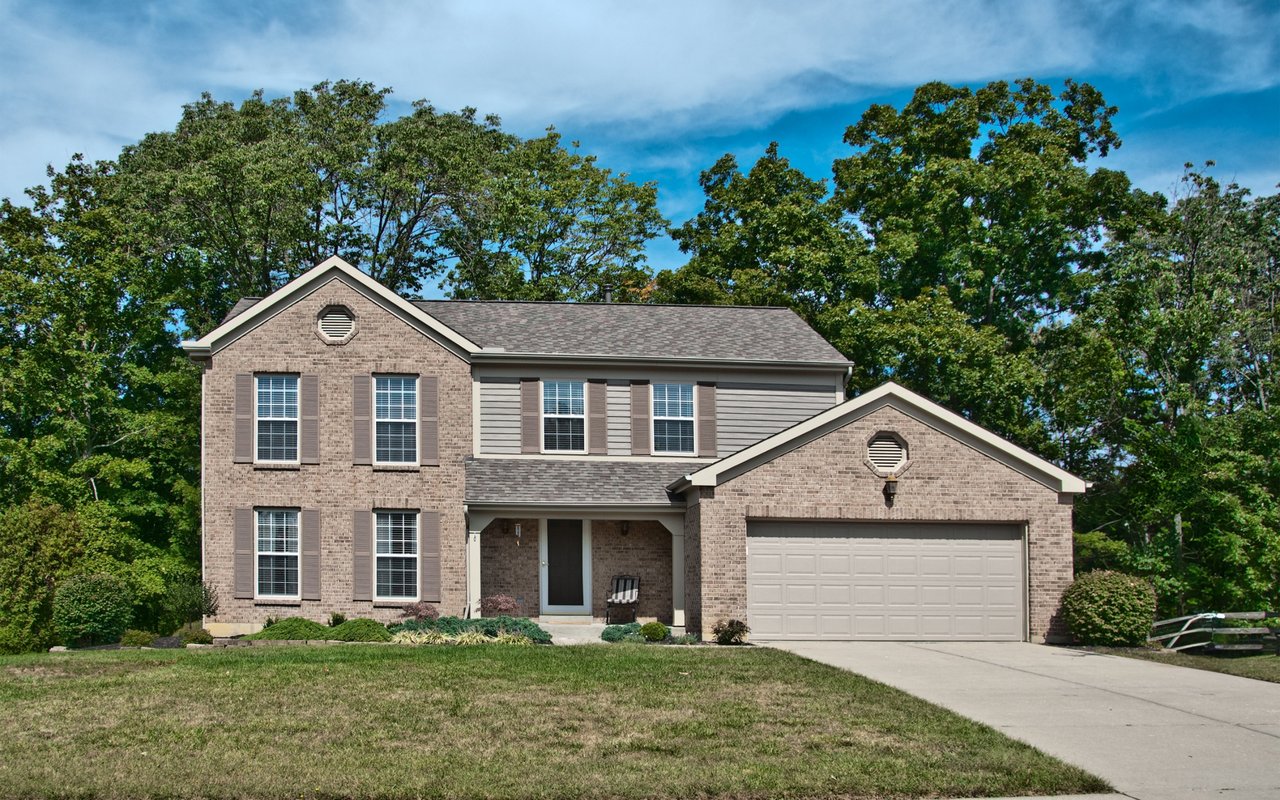
Single-family detached homes are the most common. You will see older homes near the center of town, mid-century properties, and newer subdivisions. Basements are common. Plan to check for sump pumps, signs of water intrusion, and radon mitigation systems.
Townhomes and condos
Townhomes and duplexes show up in certain neighborhoods, often with lower-maintenance living. Condominiums are less common than single-family options but can be a smart entry point if you prefer to reduce exterior upkeep. Confirm any HOA rules, fees, and coverage.
Lake and river homes
Waterfront cottages and homes exist in and around Cambridge. These can be seasonal or year-round. Expect different maintenance and insurance needs, and check whether a property is in a flood zone before you make an offer.
New builds and acreage
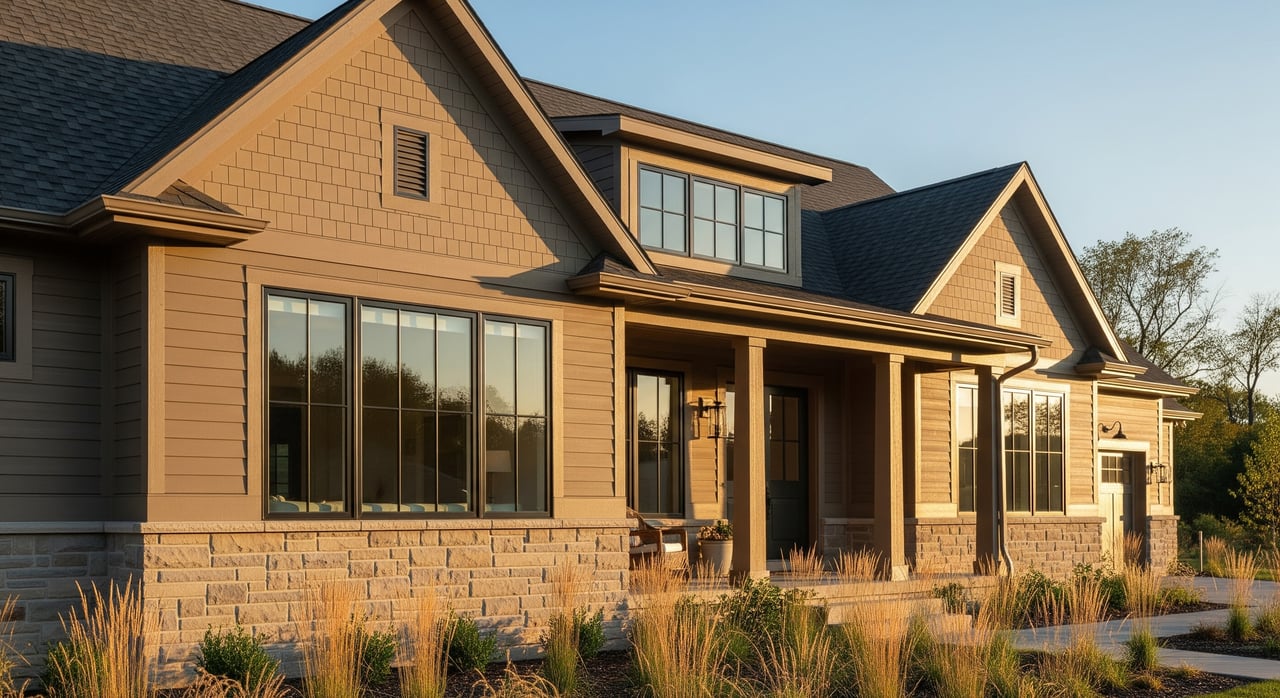
New construction is available on the edge of town, and semi-rural parcels outside city limits may include wells and septic systems. Plan extra time for well and septic inspections, plus permits and documentation.
Key systems to evaluate
Older homes may need upgrades to insulation, windows, or roofing. You will see a mix of forced-air furnaces and boiler systems. Confirm ages and service histories. Inside city limits, most homes have municipal water and sewer. In rural areas, expect private wells and septic systems that require specific inspections and ongoing care.
Neighborhood feel at a glance
- Downtown: smaller lots and walkable amenities.
- Newer subdivisions: modern floor plans, possible builder warranties, and HOA rules.
- Outskirts and rural: larger lots, well and septic more likely, and a longer drive to services.
Budget beyond your down payment
Your down payment is just one part of the picture. Build a complete budget so your new home feels comfortable from day one.
One-time purchase costs
- Earnest money deposit. Often 1% to 3% of the purchase price, though local norms vary. Your agent can provide guidance.
- Home inspection(s). A general inspection commonly costs about $300 to $600. Plan for possible specialist inspections like septic, well, radon, roof, pest, or structural.
- Appraisal. Lenders typically require an appraisal, often about $400 to $700 for conventional loans.
- Closing costs. Buyer-side costs commonly run about 2% to 5% of the purchase price. These include lender fees, title insurance, recording fees, and prepaid items. The exact amount depends on your loan and negotiated concessions.
- Mortgage-related fees. These can include origination fees, points, and processing or courier fees. You will see these itemized on lender disclosures.
- Title and settlement fees. Title insurance and settlement services will be part of your closing package.
Ongoing costs to plan for
- Property taxes. Amounts vary by property. Check with the Isanti County assessor for current tax history and estimates.
- Homeowners insurance. Premiums depend on home age, size, features, and water proximity. Flood insurance may be required in flood zones.
- Private mortgage insurance. If you put less than 20% down on a conventional loan, you may have PMI until you reach certain equity levels.
- HOA fees. If buying a townhome or condo, confirm the fee amount and what it covers.
- Utilities and municipal fees. Plan for heating, electricity, water, sewer, garbage, and internet. Confirm any city utility connection fees for your first month.
- Maintenance and reserves. A common rule of thumb is saving about 1% to 3% of the home price per year for maintenance. Newer homes may have fewer near-term needs.
- Seasonal and unexpected items. In Minnesota, plan for snow removal, winterization, and potential roof or ice dam mitigation.
Use your Loan Estimate and Closing Disclosure
After you apply, your lender will send a Loan Estimate within three days that outlines your projected costs. Three days before closing, you will receive a Closing Disclosure with final numbers. Compare these closely to understand your exact costs and ask your lender to explain any changes.
Your timeline from offer to keys
Every purchase is unique, but most first-time buyers in Cambridge can plan around these general time frames.
Typical steps
- Pre-approval: about 1 to 7 days, depending on your documentation readiness.
- House hunting: a few weeks to several months, depending on inventory and your criteria.
- Offer to acceptance: 1 to 3 days in competitive conditions, subject to negotiation.
- Inspections: often 7 to 10 days after acceptance. Specialist inspections can follow.
- Appraisal and underwriting: commonly 2 to 4 weeks after application. Delays can happen with documentation issues or high seasonal volume.
- Closing: many conventional purchases close in about 30 to 45 days from acceptance. New construction or certain loan types can take longer.
Season and property type factors
Winter weather can slow inspections, exterior repairs, or logistics, especially for septic or well checks. Spring and summer are often busy in Minnesota, which can lengthen house hunting and increase competition. Rural properties may require extra time for permits and inspections.
How to tour homes with confidence
A strong plan helps you spot value, avoid surprises, and write a smart offer.
Before you tour
- Get pre-approved by a local lender and understand your monthly comfort range.
- Hire a local buyer’s agent who knows Cambridge and Isanti County.
- Create your must-have list, including commute time limits, yard size, garage needs, and any school boundary considerations.
On the tour
- Exterior and lot. Look for proper grading, water pooling, roof condition, gutters, driveways, and traffic exposure.
- Basement and crawlspaces. Watch for musty odors, moisture, sump pumps, stains, and foundation cracks.
- Systems and age. Check the furnace or boiler, water heater, electrical panel, and visible maintenance.
- Windows and insulation. Note single vs double-pane windows and draft points. If accessible, peek at attic insulation.
- Kitchens and baths. Look for water stains, ventilation, and condition of fixtures.
- Neighborhood fit. Visit at different times to gauge traffic, noise, and activity.
Red flags to take seriously
- Persistent dampness or mold-like stains in the basement.
- Roof sagging, notable exterior wood rot, or significant foundation cracks.
- Missing service records for heating or electrical systems.
- Low-lying properties or homes near the river without flood status clarity.
- Missing smoke or CO detectors or other safety concerns.
Inspection strategy
- Include a general home inspection in your purchase contract.
- Consider added tests common in Minnesota, such as radon. For rural properties, plan septic and well inspections. Roof, chimney, mold, pest, or structural specialists may be prudent.
- Use findings to negotiate repairs, credits, or a price adjustment. Local norms will guide what is reasonable.
Offer moves that work in Cambridge
- In competitive conditions, a strong pre-approval, a focused inspection period, and a flexible closing date can help.
- In slower conditions, you may have more room to negotiate on price and repairs.
Minnesota programs and local resources
First-time buyers in Minnesota may qualify for assistance through state or local programs that can include down payment help, tax credits, or favorable loan options. Eligibility and terms change, so verify current details directly with program administrators and your lender.
For property-specific information, connect with the City of Cambridge for city services, and with Isanti County for property taxes and well or septic permitting. Your agent can also help you understand local requirements and timing.
First winter and move-in checklist
- Set your homeowners insurance to start on closing day.
- Transfer utilities and confirm water and sewer setup if needed.
- Service your furnace or boiler and replace filters.
- Consider a radon test if one was not completed during inspection.
- Plan snow removal equipment or a service.
- Change locks and test smoke and CO detectors.
How Team Lundeen helps first-time buyers
Buying your first home is a big step, and you deserve clear guidance at each turn. Our team brings deep local expertise in Cambridge, Isanti County, and the northern Twin Cities. We help you focus your search, understand inspection results, navigate well and septic or floodplain questions, and craft a winning offer.
You get patient education, responsive communication, and skilled negotiation tailored to your goals. Whether you are comparing townhomes near downtown, a newer subdivision with HOA coverage, a lake cottage, or a semi-rural acreage, we will help you weigh trade-offs and move confidently from pre-approval to closing.
Ready to start a focused, first-time buyer plan in Cambridge? Connect with Michelle Lundeen for a friendly, no-pressure conversation about your goals.
FAQs
What should first-time buyers in Cambridge budget for closing costs?
- Buyers often see closing costs in the range of about 2% to 5% of the purchase price, depending on loan type, lender fees, and any negotiated seller contributions.
How long does it take to buy a home in Cambridge?
- From accepted offer to closing, many conventional purchases take about 30 to 45 days, with inspections and financing steps in between; house hunting time varies by inventory and your needs.
Do I need a local buyer’s agent for Cambridge, MN?
- Yes. A local agent understands neighborhood trends, commute patterns, well and septic norms, and typical negotiation practices, which helps you avoid surprises.
Should I get pre-approved or pre-qualified as a first-time buyer?
- Aim for a full pre-approval if possible, since it carries more weight with sellers than a basic pre-qualification and helps you target the right price range.
What inspections are most important for Cambridge and nearby areas?
- Plan a general home inspection and consider radon testing. For rural properties, include septic and well inspections; basements and drainage are key checks in Minnesota.