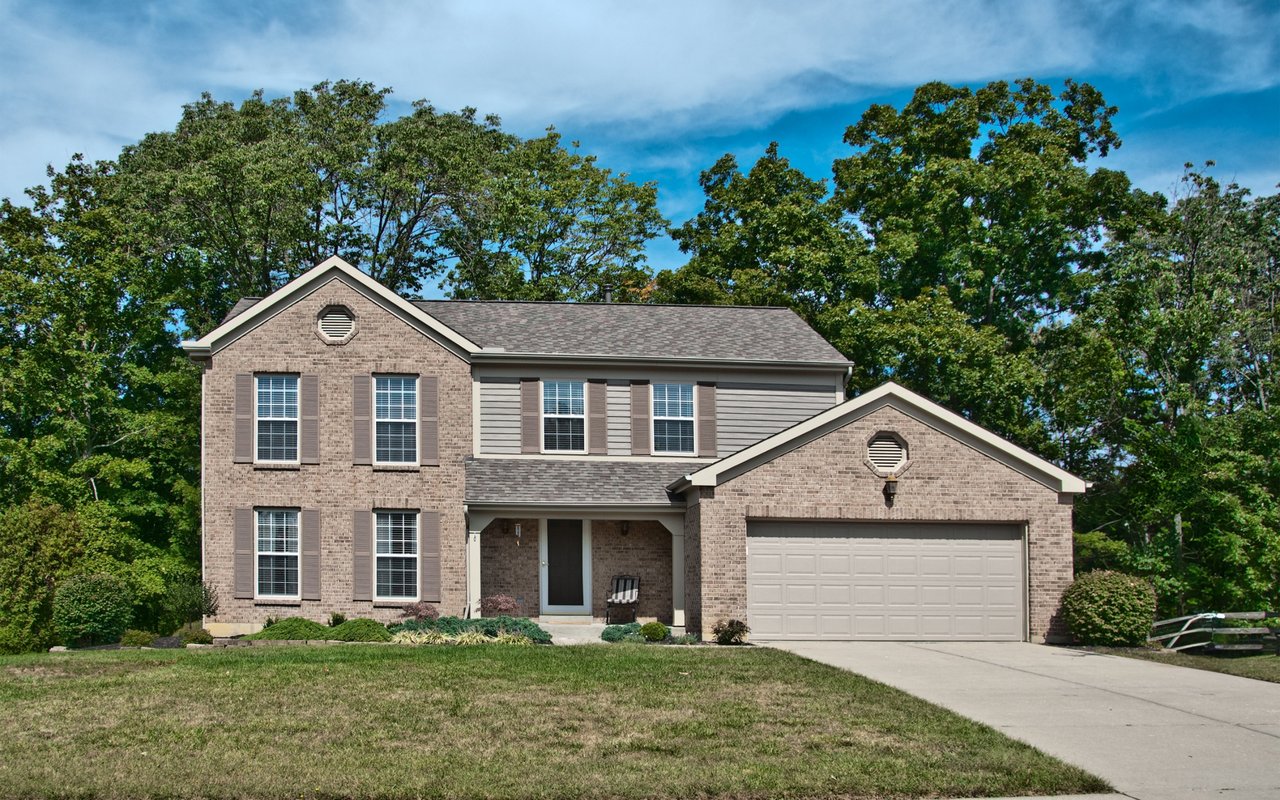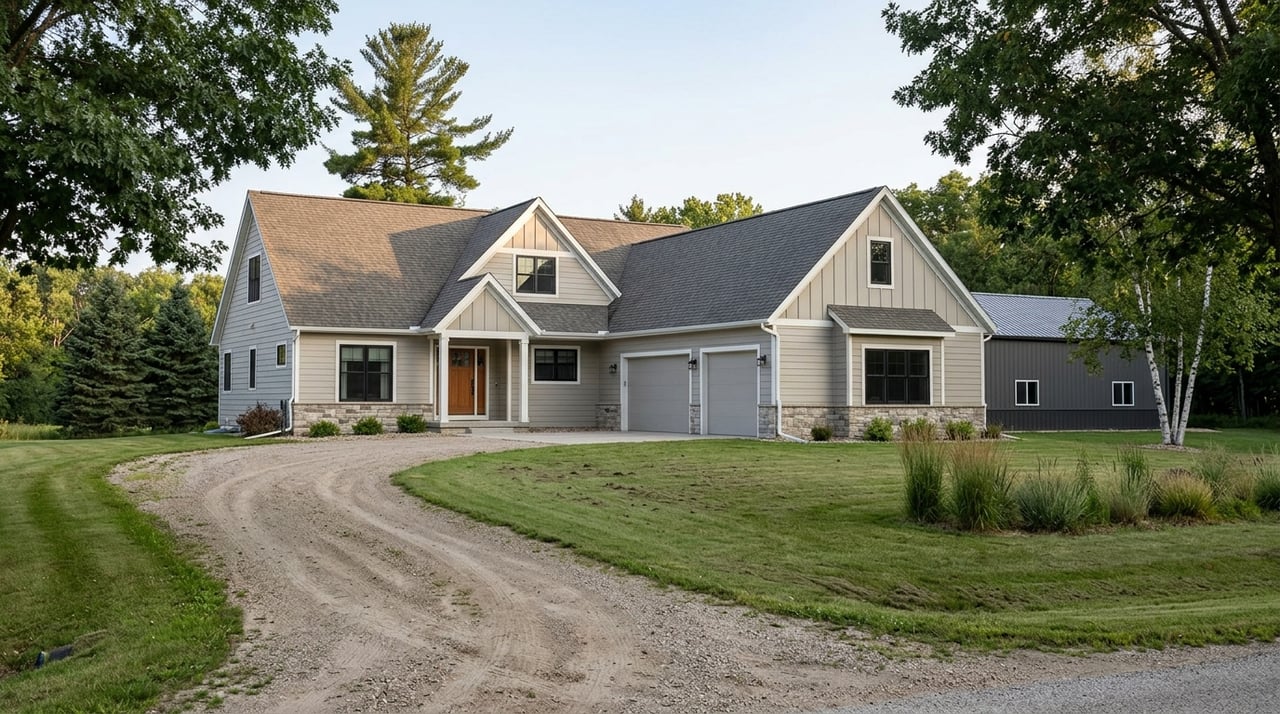
If you are craving more space, quieter roads, and a little more room to breathe, country living near Bethel might be exactly what you have in mind. At the same time, moving to a more nature-focused area comes with different day-to-day realities than life in a denser suburb. This guide will help you understand what living near Bethel, Minnesota can actually look like, what types of properties you may find, and what to think about before you buy. Let’s dive in.
What country living near Bethel feels like
Bethel is a very small city in northern Anoka County, about 30 miles north of Minneapolis, according to the City of Bethel. The city describes itself as a place for small-town living surrounded by nature, with Sandshore Lake and the 756-acre Bethel Wildlife Management Area shaping the local setting.
That small scale is important. The Metropolitan Council’s 2024 estimate puts Bethel at 491 residents and 193 housing units, so this is not a dense suburban environment with busy commercial corridors around every corner.
For many buyers, that is the appeal. You are close enough to the north metro to stay connected, but the area feels more open, quieter, and more tied to natural surroundings than many communities closer to Minneapolis.
Why buyers look near Bethel
If you are comparing Bethel with more built-up north-metro options, the biggest draw is often the lifestyle shift. You may be looking for extra privacy, a larger homesite, more trees, or a property that feels less packed in.
The area also offers a nature-heavy backdrop. Bethel highlights the local wildlife area and lake setting on its community page, while nearby East Bethel describes a semi-rural community with 12 lakes, parks, and natural areas.
That does not mean the area is remote. A better way to think about it is as an edge-of-metro option where you can often find more breathing room while keeping a manageable connection to the broader Twin Cities region.
Property types you may find
The city itself has a relatively compact footprint. Bethel’s zoning map shows land that is largely single-family residential, with smaller areas for multifamily, business, industrial, and lake-protection overlay uses.
That means your search may extend beyond Bethel’s city limits if you want a stronger country feel. In the surrounding area, buyers often focus on property types like these:
- Single-family homes on larger lots
- Older farmsteads or hobby-farm style parcels in nearby township areas
- Lake-adjacent homes or shoreland lots
- Vacant or semi-wooded land where site conditions can affect buildability
This is where local due diligence matters. In areas with wetlands, shoreland rules, or irregular parcel layouts, two properties that look similar online may have very different use potential.
Land and natural features matter
One of the biggest differences between country-style living and a more typical suburban purchase is that the land itself deserves closer attention. Beyond the home, you may need to consider access, drainage, wooded areas, wetland impacts, and how much of the parcel is truly usable.
That is especially relevant near Bethel and East Bethel. East Bethel’s planning documents note a landscape shaped by lakes, parks, open space, and wetlands, with a significant share of land affected by lakes, wetlands, and floodplain conditions, as outlined in this archived planning document.
If you are considering vacant land or a lightly improved parcel, it is smart to ask early questions about buildability, setbacks, access, and environmental limitations. A beautiful wooded lot can still require extra planning before you can use it the way you want.
Commute and convenience expectations
Bethel is about 30 miles north of Minneapolis, according to the city. Nearby East Bethel says it is about 40 minutes north of the Twin Cities and notes express bus service to downtown Minneapolis during morning and evening rush hours.
For most buyers, daily life here is still car-first. You can stay connected to metro jobs and services, but you should expect a different rhythm than you would in a more suburban setting where errands, shopping, and services are clustered closer together.
That is not a downside for everyone. Many buyers are happy to trade shorter retail runs for a quieter setting, more open space, and a property that better fits their long-term lifestyle goals.
What to know about wells and water
If you are looking at country properties near Bethel, private well service may be part of the package. That is normal in this part of Minnesota, and it simply means you will want to understand the responsibilities that come with it.
East Bethel’s well information page notes that about 1 million Minnesotans rely on private wells. It also points buyers and owners to Minnesota Department of Health guidance that recommends annual testing for coliform bacteria and nitrate.
For a buyer, the takeaway is simple: a private well is common, but it should never be treated as a background detail. Water testing, system condition, and ongoing maintenance are all part of smart ownership.
Septic systems need attention too
Septic systems are another major piece of the puzzle for rural and semi-rural homes. The Minnesota Pollution Control Agency says septic system owners are responsible for maintenance, and state rules require an assessment at least once every three years.
This matters even more during a sale. East Bethel requires a septic compliance report within three years before a sale or transfer, and if a system is noncompliant, it must be repaired or repair funds must be placed in escrow.
In practical terms, that means you should treat septic review as a core part of your buying process, not an afterthought. A property with more land can offer great flexibility, but the utility systems deserve the same level of attention as the home itself.
Access and site logistics are different
Country properties can involve logistics that many suburban buyers have never had to think about before. If a parcel fronts a county road, for example, access rules may affect future plans for a driveway, field entrance, or site improvements.
Anoka County explains on its access permit page that a new driveway or field entrance on a county road requires a permit. The county also notes that culvert pipes are generally required unless curb is present, and excavation work should be preceded by a Gopher State One Call notice.
That does not mean these properties are hard to navigate. It simply means the process can involve more planning, and it helps to know the questions to ask before you close.
Land-use programs can affect larger parcels
If you are interested in acreage, it is also worth knowing that Anoka County has land-use programs that may affect how certain parcels are taxed or preserved. These include Green Acres, Rural Preserve, Open Space, and the Metropolitan Agricultural Preserve program.
The county says the agricultural preserve program was created to encourage agricultural-use retention on land close to Minneapolis and St. Paul. For buyers considering hobby-farm style land or larger tracts, this can be an important part of the ownership picture.
It is one more reason why buying country property is often more nuanced than buying a home in a fully built-out subdivision. The property itself may carry opportunities, limitations, or benefits that are not obvious at first glance.
Is Bethel-area country living right for you?
Country living near Bethel can be a great fit if you want more privacy, more natural surroundings, and a setting that feels quieter than a typical north-metro suburb. It can also be a strong option if you are comfortable with a car-dependent routine and understand that property systems like wells and septic require attention.
The best fit usually comes down to your priorities. If you value open space, a slower pace, and the possibility of larger or more unique homesites, this area can offer a compelling alternative to denser communities.
If you are thinking about a move near Bethel, having local guidance can make a real difference, especially when you are comparing acreage, utility setups, lake-area lots, or homes with more land than a standard suburban property. When you are ready to explore your options, connect with Michelle Lundeen for thoughtful, local guidance tailored to your goals.
FAQs
What is country living near Bethel, Minnesota, really like?
- Country living near Bethel is best described as small-town, nature-oriented living with access to the north metro, rather than a truly remote rural setting.
What kinds of homes can you find near Bethel, Minnesota?
- Buyers may find single-family homes on larger lots, lake-adjacent properties, older farmsteads, hobby-farm style parcels, and some vacant or semi-wooded land.
Do homes near Bethel, Minnesota, often have private wells?
- Yes, private wells are a common consideration in the broader area, and owners should follow regular water-testing guidance.
Do properties near Bethel, Minnesota, often use septic systems?
- Many homes in the surrounding semi-rural area rely on septic systems, and maintenance and compliance reviews are an important part of ownership and resale.
Is Bethel, Minnesota, a reasonable commute to the Twin Cities?
- Bethel is about 30 miles north of Minneapolis, and nearby East Bethel describes the area as about 40 minutes north of the Twin Cities, making it a manageable but car-first location for many buyers.
What should buyers check before purchasing land near Bethel, Minnesota?
- Buyers should look closely at wetlands, shoreland rules, access, setbacks, buildability, utility systems, and any county land-use program that may affect the parcel.